

Sailing has come a long way—from simple wooden boats with cloth sails to today's sleek, high-tech yachts. Once essential for trade and exploration, sailing is now a popular sport and leisure activity. This transformation reflects our constant drive for speed, safety, and comfort at sea.
Early Days of Sailing
Ancient sailors like the Egyptians, Phoenicians, and Greeks used wind-powered vessels for travel and commerce, navigating by the stars and understanding tides and currents. Over time, different cultures introduced new sail designs—like the Chinese junk sail and the Arab lateen sail—making sailing more efficient and versatile.

Progress During the Age of Exploration
Between the 15th and 18th centuries, sailing saw major advancements. Ships became faster and more stable, with better navigation tools like the compass and sextant. New materials and shipbuilding techniques made long voyages across oceans more feasible.
The Rise of Modern Yachting
In the 19th century, sailing evolved into a recreational pursuit. Iron and steel replaced wood, steam engines were added for backup power, and yacht racing became popular. Events like the America's Cup pushed innovation in design and performance.
Today and the Future
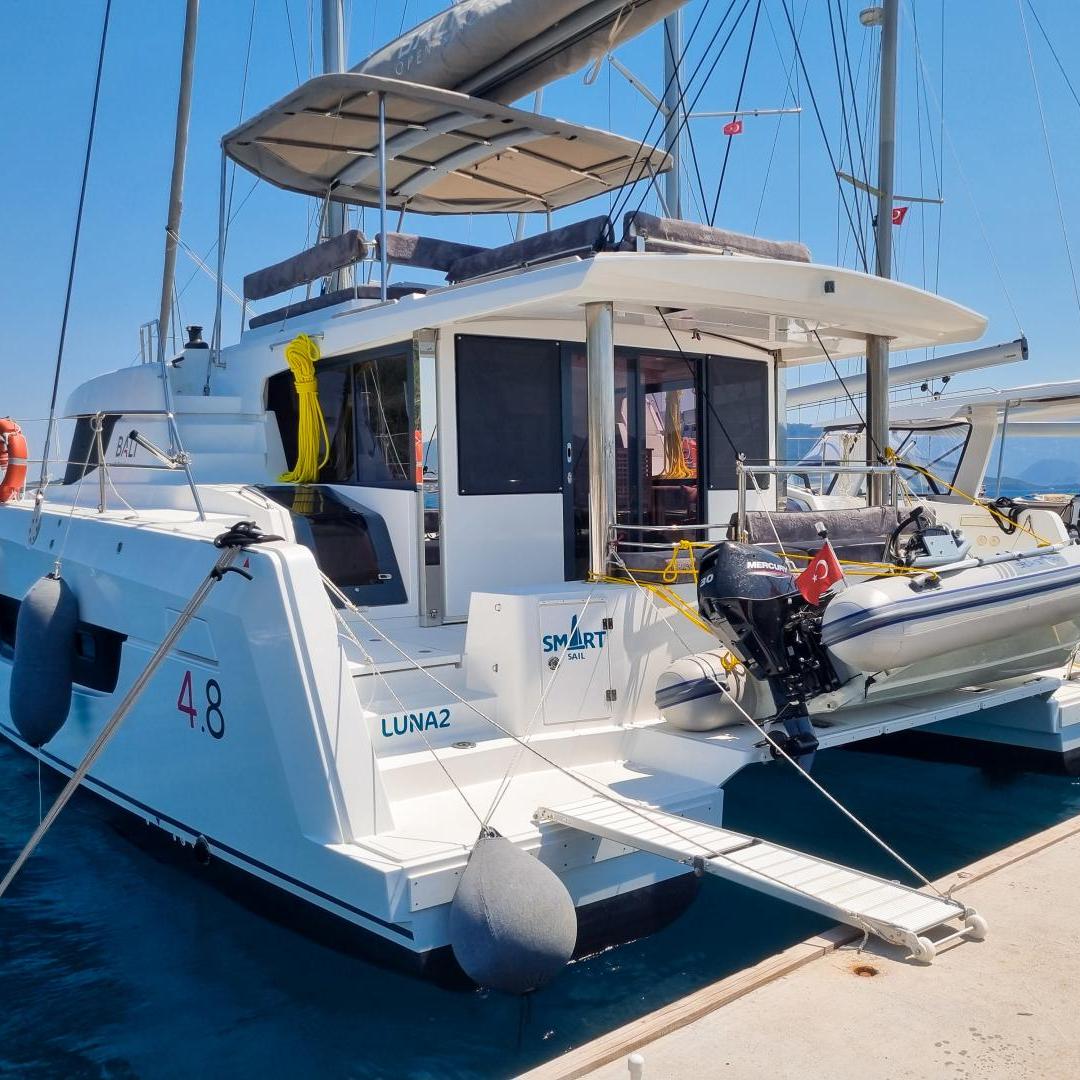
Modern yachts are built from carbon fiber and equipped with cutting-edge technology. Sailing is faster, safer, and more sustainable than ever. As innovation continues, the future of yachting looks bright for both enthusiasts and professionals alike.










 + 386 (0)2 780 11 50

 April - October: 7:00 - 18:00


